
How to Find Who Owns a Summers County Property
Start with a location and work toward the name. WV Property Search lets you query by owner, address, street, or parcel field. The WV Property Viewer can pin down a parcel and display its ownership detail. Both are useful first moves. Once the site gives you a name, the Summers County Clerk's index takes over. It holds the deed record that confirms the actual transfer. Your clue might be a Hinton address. It might be a rural community name or a map-parcel number. The approach holds up either way. Just watch for cases where the mailing address and the physical address differ.
- Search the WV Property Search by address, owner, street or parcel clue and record the complete parcel ID.
- Read the assessment owner and mailing address, then note the latest deed book-page reference.
- Search the County Clerk land index for the recorded conveyance and compare the grantee and legal description.
- If the grantee is a company, use the West Virginia Secretary of State business search to identify its public entity detail.
Summers County's Assessor Roll Names the Owner of Record
The WV assessment portal gives you an owner-name search. It also offers fields for parcel ID, map, sub-parcel, street, and mailing address. A single result can return the owner, situs address, building and land data, appraisal figures, sale history, acreage, and a deed reference. That range makes the Assessor a strong first stop when you know the location but not the name. Remember it is a tax record. Treat the owner field as a lead. Then compare it against the instrument that transferred the land.
Expect the mailing address to differ from the property situs sometimes. An absentee owner, a company, a trust, an estate, or a simple mailing preference can explain it. A distant mailing location is not a red flag. Keep the assessment date and tax year in mind, too. The roll follows the July 1 ownership and value date for the next tax year. So a fresh transaction may lag before it shows up.
The WV Property Search page displays the owner and parcel search fields.
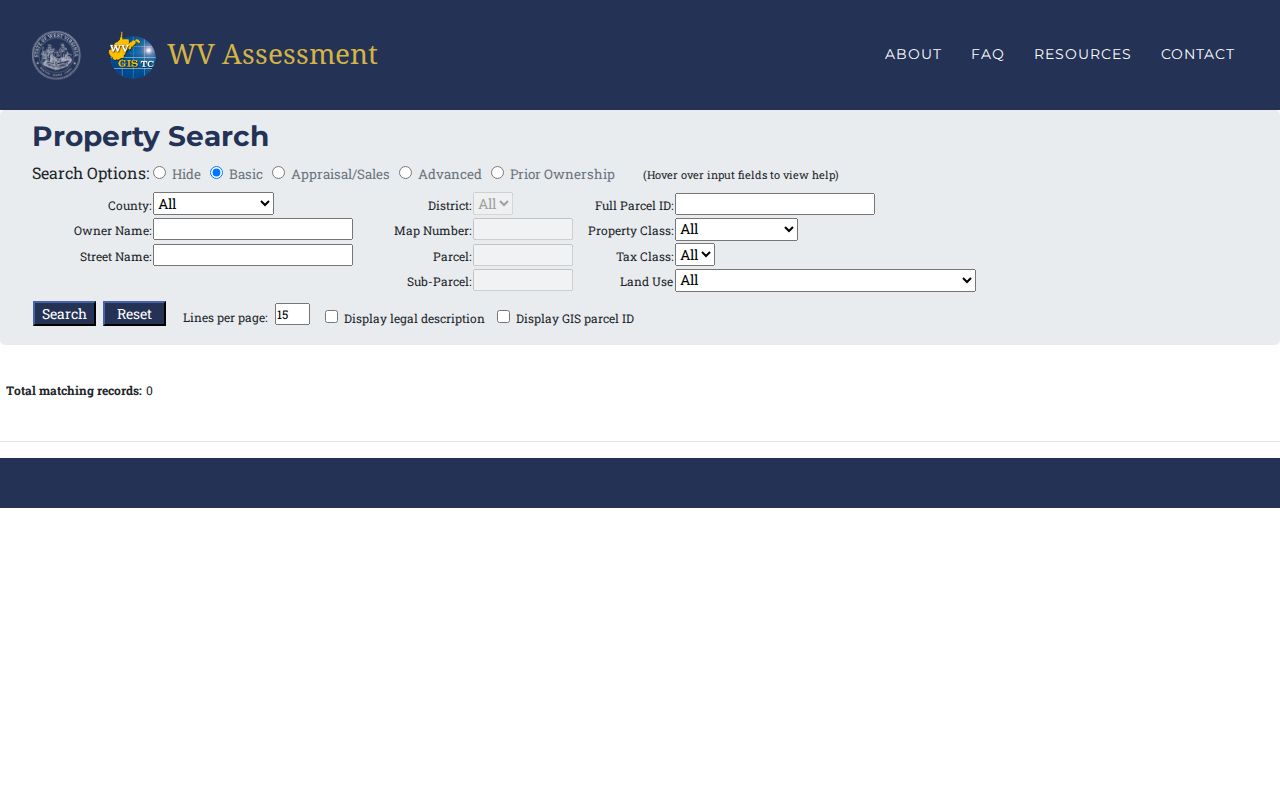
Carry the parcel ID and deed reference from that result into your next search.
When a Summers County Deed Names an LLC or Other Entity
Deeds in Summers County do not always name people. A limited liability company, partnership, trust, or estate can appear instead as the grantee. The County Clerk instrument records exactly that entity name. Individual members with an ownership stake may never be listed. West Virginia's Secretary of State Business Entity Search can fill the gap. It shows a company's status, address, creation date, and registered agent. The detail page is free, while a certificate of existence is a separate paid document.
Search the exact entity name from the deed. Then compare city, status, and business number before trusting a similar result. The advanced search offers organization, agent or officer, record ID, street, city, county, state, and organization type filters. That helps separate look-alike entities. One caution applies here. A registered agent is not automatically the property's owner or the person controlling the entity.
Open the West Virginia business entity search whenever a deed names an organization as grantee.
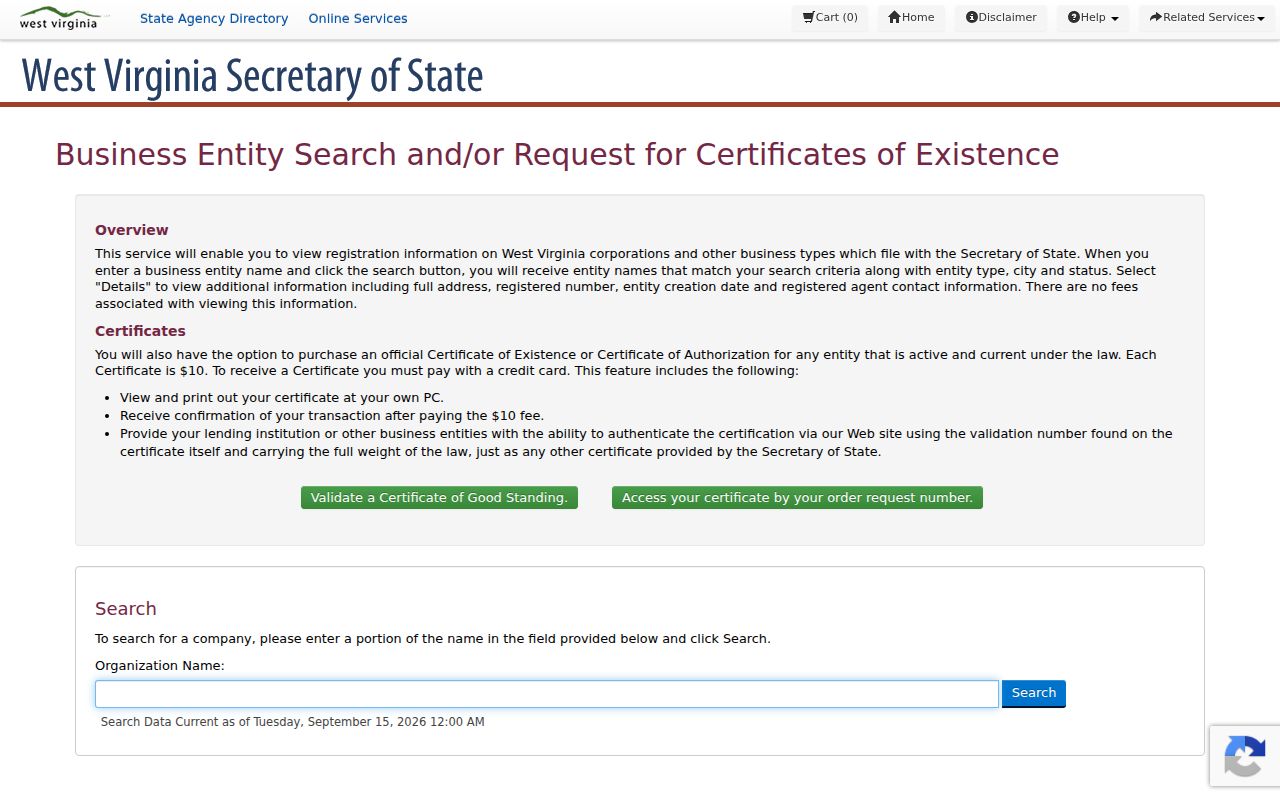
An entity record explains who stands behind a name. For the land itself, go back to the deed held by the Summers County Clerk.
Advanced Entity Fields Can Clarify a Summers County Property Owner Named on a Deed
A Summers County deed sometimes names a company rather than a person. When it does, West Virginia's advanced business search helps. It offers more ways to pin down the entity. A simple organization-name field alone is not as flexible. You can query by organization, agent or officer, or record ID. Street, city, county, state, and organization type work too. The tips also permit several name keywords plus a percent sign as a wildcard. That flexibility helps separate similarly named companies, and it can surface a business listed under an older address. The system covers limited liability companies, partnerships, trusts, corporations, and many other organization types. Bulk searches can take minutes to finish. CSV output is a paid-search option, while a certificate of existence costs $10. A free detail page is separate from that certificate. None of these state results changes the grantee on a Summers County deed. They also do not establish which individual controls the entity. The advanced Secretary of State search displays its controls on one screen. Organization, agent, county, and organization type all appear together.
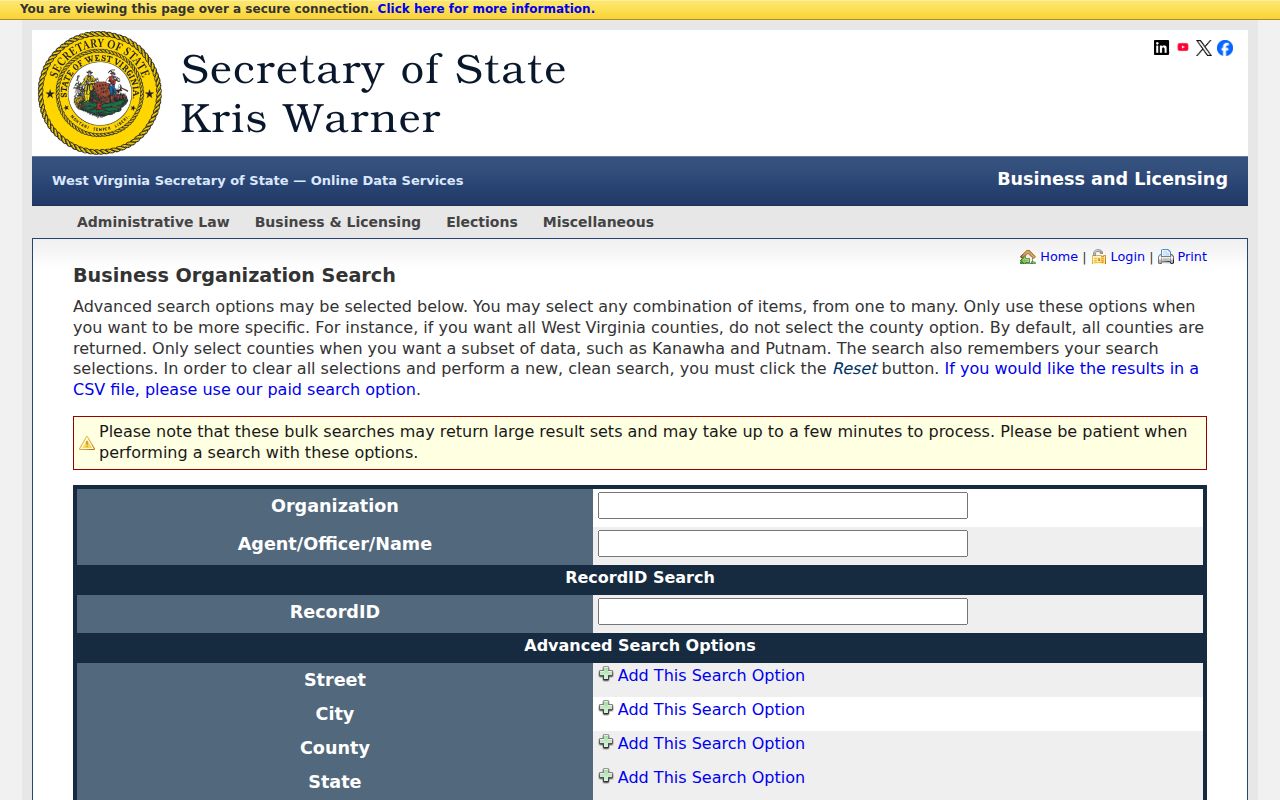
Use those entity fields to name the record subject, then confirm land ownership in the deed itself.
A Summers County Voter Search Is Not a Property Owner Lookup
West Virginia's voter-status lookup takes a first name, last name, and date of birth. It returns registration status, party, districts, and polling place. Updates run nightly. The service is built for voters checking their election information. It cannot identify the owner of a parcel or prove who lives at an address. Owner-of-record questions belong in the Summers County Assessor and County Clerk systems. The line matters. A registered voter may occupy a property without owning it. A landowner may get mail somewhere else entirely. Never treat a voting result as a missing owner field, and do not use it to guess who lives near a parcel. The Secretary of State voter lookup shows this separate registration service.
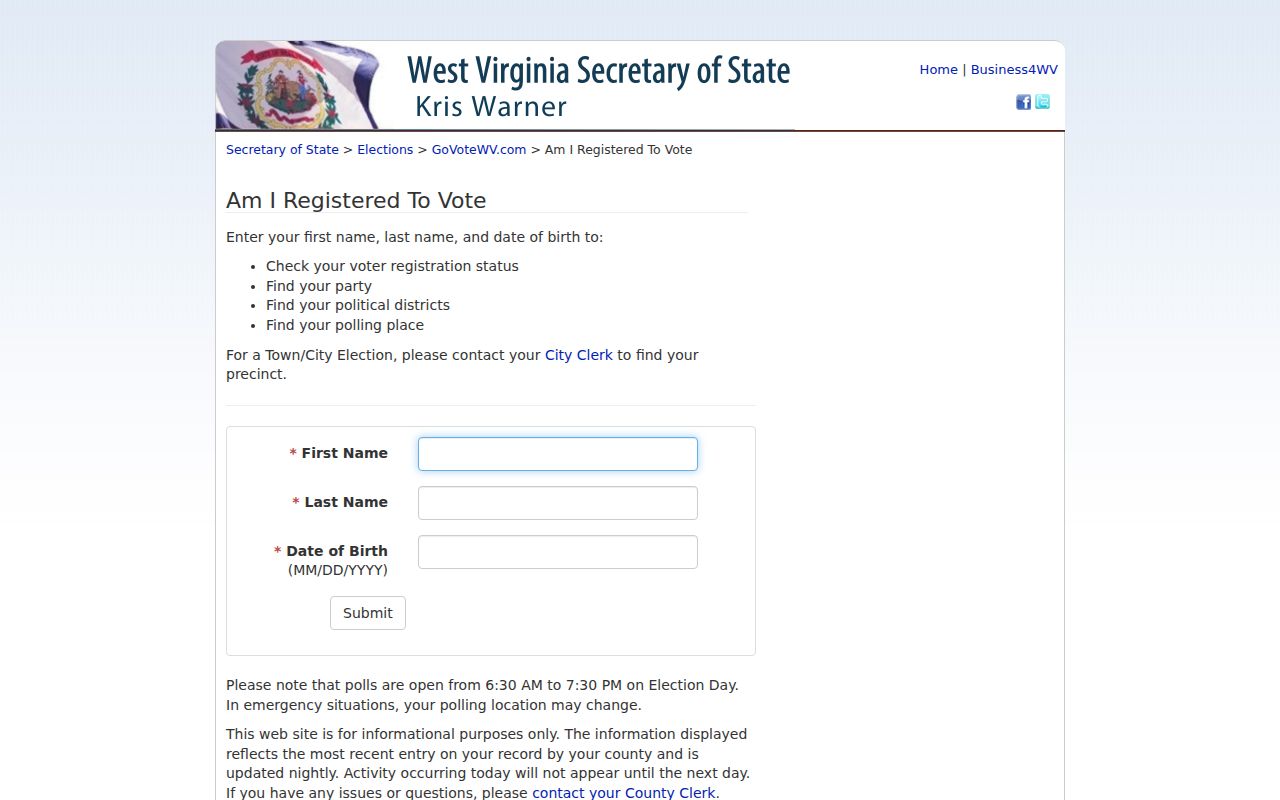
Keep civic registration details separate from title, tax and deed information.
Which Summers County Record Names the Property Owner
Summers County offers three public records that tie a parcel to an owner. Each proves something slightly different. The Assessor's tax roll carries the owner of record for assessment purposes. The County Clerk's deed index shows the grantee on a filed transfer. A map viewer restates owner and parcel detail in geographic form. A business search can decode an entity name. It cannot prove ownership of the real estate itself.
| Source | Owner Info It Gives | Access |
|---|---|---|
| WV assessment roll | Owner name, parcel, mailing address and deed cross-reference | Public WV Property Search |
| County Clerk deed index | Recorded grantor, grantee and instrument reference | Online land index from 2005; older route through books and archives |
| WV business search | Public detail for a company named on a deed | State Secretary of State site |
| WV Property Viewer | Parcel location and owner detail | Public statewide map application |
The owner of record may not live there. Both the assessment entry and the deed describe recorded or tax ownership. They are not a directory of residents. A trust or company can hold the interest. The people behind it can go unnamed in the land record. Summers County property research should rely on what the record itself proves. It should never use an owner's public mailing address to intrude on anyone's privacy.
Summers County's July 1 Roll Date Can Lag a Recent Sale
The Assessor uses ownership and value as of July 1 for the following tax year. A sale that records after that date can therefore leave the former owner's name on an assessment entry during the next cycle. This is not the same as a deed being unrecorded. Check the latest Clerk instrument for the filed grantee, compare its recording date with the assessment year, and ask the Assessor when the roll will reflect the update.
When the two sources disagree, keep both dates and the parcel ID. The assessor database is designed for taxation and parcel administration; the clerk index documents land instruments. The newest recorded deed is the most direct public evidence of a transfer, while the roll may provide the most convenient owner field for an initial search. Neither replaces a full title examination.
Trust and Estate Names in Summers County Property Owner Records
Estates complicate owner names. Property may pass through probate. A fiduciary or executor may appear in the deed chain instead of heirs. An estate distribution creates a transfer that is not an ordinary purchase and sale. A trust name works differently, lingering on the assessment roll or deed long after its manager changes. None of this makes the public record incomplete. It means the owner's legal form must come from the instrument. Do not guess at the name. Copy the deed's exact styling of a trust or estate grantee. Reuse that wording in later searches. The County Clerk keeps wills and estate records alongside land instruments. But a probate file and a deed answer different questions. Choose the route that fits the goal. Name the parcel's recorded owner, or understand the transfer that placed it there.
Limits of a Summers County Who Owns Lookup
A who owns search surfaces the owner named in public assessment or deed records. It cannot show who lives at the property. It cannot confirm that title is free of every claim. It cannot reveal interests never recorded. West Virginia public-record access carries statutory exemptions. The County Clerk restricts military discharge records. No local property-record opt-out or Address Confidentiality Program procedure is published. Ask the custodian, or the state's official Safe at Home program, about any protected-address option.
Lawful use. A Summers County owner lookup can support a property-history, land-stewardship or civic question. Do not use names or mailing details to stalk, threaten, intimidate or harass anyone.
West Virginia open access has record-specific limits. The Clerk restricts military discharge records, and current vital certificates carry their own eligibility and identification rules. No general property-record opt-out or local address-confidentiality process exists, so an online owner search is neither complete nor guaranteed to expose every protected detail. For a data correction, go to the original custodian. For a protected-address question, ask the official state program.